
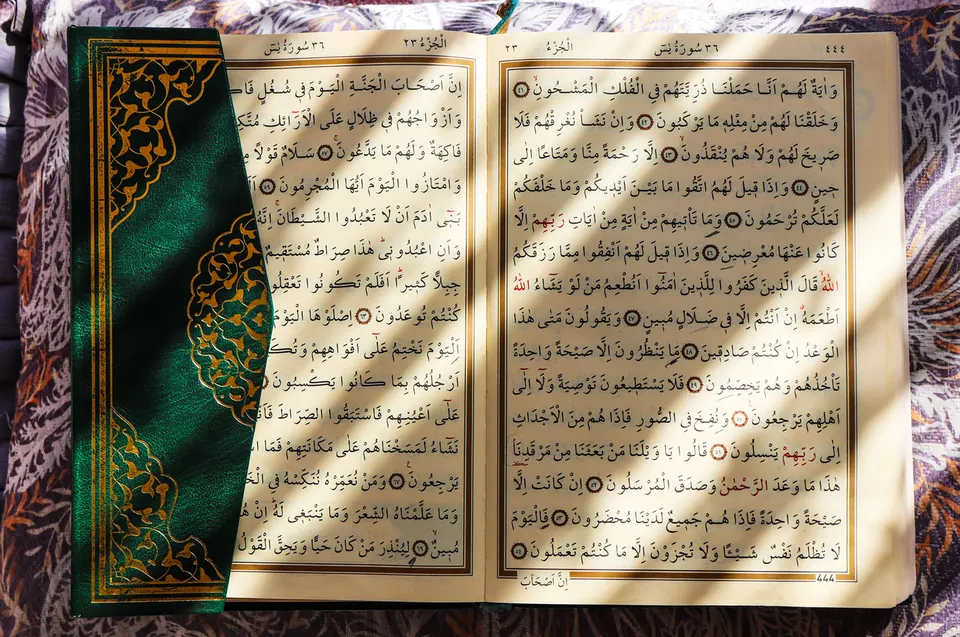
The Holy Quran Museum in Makkah is a visit to plan around what you want to understand: manuscripts, the care given to the Quran, the appearance of Arabic writing, or the museum’s visual presentation. It belongs to Hira Cultural District, but naming the district alone does not tell your family which experience you intend to enter. Decide that before arranging tickets or a car.
This guide helps you make a museum visit purposeful, especially when you have limited free time during an Umrah stay. It separates the museum from the Revelation Exhibition and a mountain excursion, suggests ways to engage with the displays, and explains the information to confirm with the operator. Transport is one part of that plan; admission and the experience inside remain separate arrangements.
What is the Holy Quran Museum?
The museum is within Hira Cultural District at the foot of Mount Hira, also known as Jabal al-Nour. Saudi Press Agency reported its inauguration in March 2025 and describes rare manuscripts, historical Quran copies and interactive visual displays concerned with preservation. Those features establish a different purpose from a general sightseeing drive: you are visiting an exhibition about a text, its transmission and the work associated with it. The official inauguration report provides this background.
The district operator lists the Holy Quran Museum and the Revelation Exhibition as separate experiences. The former centres on the Quran’s history, preservation and influence; the latter presents the story of revelation. Read the operator’s experience descriptions when deciding which belongs in your day. A ticket mentioning Hira is not enough evidence that both attractions are included.
These distinctions matter even when members of a family use similar names for the outing. Someone may imagine looking at historic pages; another may expect a narrated presentation about the first revelation. Compare expectations before purchasing. You can choose one attraction thoughtfully rather than buying a broader programme that nobody has time to absorb.
Choose a reason for going before choosing a time
You are interested in Quran manuscripts and calligraphy
Make the written object your main focus. Look for explanations of the material, writing style, provenance and period beside a display. An old-looking page is not enough to identify its date or origin. Let the museum’s own label establish those facts, and distinguish what it states from what you merely notice about colour, layout or ornament.
A useful personal exercise is to compare two labelled objects rather than try to remember every case. Notice how much space is devoted to the text, how headings or borders are treated, and whether the interpretation explains the making of the object. This is an observation method, not a claim that particular objects will always be displayed together. Collections and presentation can change.
You want a meaningful visit with children
Give children a question they can answer by looking, such as how one page differs visually from another. Avoid turning the museum into a race to photograph everything. A child who notices a detail and talks about it afterwards may gain more than one who is expected to follow a lengthy adult explanation without a break.
Choose tasks appropriate to the child’s reading ability. Younger children might notice shapes or the scale of an object; older children could read a label and identify what evidence it gives for a date. Ask staff what material is suitable and what languages are available. Do not promise interactive activities, children’s worksheets or a particular audio option without confirmation.
You are considering the museum between other commitments
Define a modest goal: seeing the museum’s main interpretation and spending considered time with a few displays. Avoid treating a visit as something you can automatically squeeze between a meal and a departure. Admission procedures, movement around the district and the concentration required inside all occupy time, even though this guide does not prescribe a fixed visit duration.
If your available window is uncertain, ask the operator what an abbreviated visit would miss. That answer is more useful than relying on somebody else’s claim that the museum takes a certain number of minutes. If the shortened version removes the part you most want to see, move the visit to another day rather than rush through it.
Read exhibits as evidence, not just decoration
The museum’s subject supports several ways of looking. A manuscript can be approached as a written text, a crafted object and a piece of historical evidence. Its interpretation may explain more than its beauty. Read the caption before deciding what a photograph or a decorative feature tells you about the past.
Saudi Press Agency’s November 2025 account describes Quranic manuscripts, historical copies, artistic panels and modern visual interpretation. That report is background to the museum’s scope, not an inventory guaranteed for your visit. Consult the displays and staff for the status of a particular object. The official report on Quranic heritage and art offers a short introduction.
Ask three different questions when an object interests you. What does the label say it is? What can you actually see? What would you need to know before explaining it to someone else? Keeping these questions separate prevents an attractive picture from becoming an inaccurate history lesson when you share it later.
For example, you might notice a richly decorated border but find that the label concentrates on the copy’s provenance. Record the label’s explanation rather than inventing a symbolic meaning for the decoration. If the wording is unclear, ask a staff member or leave the uncertainty open. You do not need to become a manuscript specialist to have a rewarding visit.
Visual or audio presentations can add context, but they do not replace reading the captions on objects. If a presentation and a display appear to address different periods, resist merging them into one chronology from memory. A quick note about the distinction can guide a question to staff or further reading after you return to the hotel.
Language is part of the admission decision
An English-language travel article does not establish that every label, guided explanation or recorded presentation at the venue is available in English. Before buying, ask which parts of the museum have information in the language your party understands. Request a specific answer about the museum, rather than a general statement about services somewhere in the district.
Where a family uses more than one language, decide whether members will follow the same interpretation together or need different assistance. A bilingual relative can help with conversation, but should not be expected to translate every panel while caring for children or supporting another adult. Discuss that expectation beforehand so the visit remains enjoyable for that person too.
If you hope to take a guided tour, confirm whether one is offered, how it is arranged and whether it covers this museum alone. A driver taking you to Hira is not automatically a museum guide. Our explanation of a driver and a licensed guide’s different roles helps you describe the additional service you are seeking without assuming it is included in transport.
A translation app may help with a short phrase where use is permitted, but it should not be your basis for confidently explaining historic or religious terminology. Ask about authorised interpretation. For religious questions, consult a suitably qualified source rather than treating a practical visitor guide or transport provider as a source of rulings.
Confirm the museum arrangements directly
Start with the operator’s Holy Quran Museum page. Check the date you intend to visit, the entry arrangements and any current notices. Opening information can be changed for a programme or season, so a district’s general operating hours should not be read as proof of admission to this particular attraction at any time.
Before payment, identify the attraction named in the purchase, the applicable date or entry window, the number and ages of visitors, and the operator’s cancellation or amendment terms. If a combination product is offered, read what it actually includes. Do not assume that another exhibition, a guide, refreshments or a climb is part of a museum purchase.
Keep the confirmation in a form you can retrieve at the entrance. If one person booked for a group, make sure that person will arrive with them or ask the operator how another member may present the booking. Check any identification requirements directly; this article does not establish a universal rule about the documents every visitor must carry.
Separate the venue confirmation from the journey confirmation. A transport request describing the Holy Quran Museum does not reserve admission. Equally, a museum ticket does not tell a driver when you are ready to leave your hotel. For a fuller explanation of that distinction, see Hira tickets and your taxi: two confirmations.
Make the visit manageable for the whole party
Discuss the needs of each person before choosing a package. Ask the venue about the route from its visitor entrance to the galleries, seating or rest opportunities, lift access where relevant, and arrangements for personal mobility aids. The presence of a modern attraction is not evidence that every part of the visit suits every walking ability.
Describe functional requirements rather than relying on the word accessible. Someone who can walk a short level distance has different needs from someone who must remain seated throughout. If a person uses a wheelchair, ask about the actual gallery route and any restrictions separately from the vehicle arrangements. Museum assistance and carriage of the chair are different services.
Plan companionship without making one adult responsible for every need. A person interested in reading closely may move slowly; children may prefer a shorter route. Agree whether you will remain together or meet at an approved point inside. Ask staff what is practical rather than announcing a split that assumes unrestricted re-entry or an unattended children’s activity.
A museum visit can be the complete outing for your family. There is no need to add the mountain simply because it is nearby. For the wider district choices and the distinction between an exhibition visit and a climb, use our Hira Cultural District guide without the climb. Keep this article’s museum focus when making your own decision.
Photography, notes and respectful behaviour
Ask what photography is permitted before using your camera. A ticket or an attractive display does not automatically authorise flash, filming, tripods or close photographs of every item. Follow signs and staff directions, and do not step across a barrier to improve a picture. Respect other visitors’ space and avoid including identifiable people without their permission.
Read the object first, then decide whether an allowed photograph would help you remember it. Where photography is restricted, a brief written note about a title or theme can be enough, if note-taking is permitted. Avoid transcribing large amounts of interpretive material for publication; you can record a question or the name of a source to investigate later.
If you share an image afterwards, give it an accurate context. A museum photograph should not be described as an original manuscript from a particular century unless its label supports that statement. An image of a modern reproduction is not interchangeable with an image of an original. Ask when the distinction matters to your caption.
Leave the displays and visitor facilities as you found them. Do not assume that an object may be touched because it looks like a familiar book. If staff invite an interaction with a specific exhibit, follow that exhibit’s instructions; permission in one area does not extend to every object in the museum.
Build a museum day that fits your Makkah stay
A family choosing just one cultural attraction
Start by asking what each member hopes to remember afterwards. If the shared interest is written heritage and visual interpretation, this museum has a clear purpose. If the shared interest is a broader narrated account of revelation, examine the separate exhibition instead. You can save a second attraction for another stay rather than overfill a single afternoon.
Agree on the non-negotiable parts of your day, then place the museum around them with breathing room. Keep food and rest as deliberate decisions rather than unplanned delays. Check current arrangements at the venue and your hotel; this guide cannot guarantee an entry window, a prayer location or a particular restaurant’s opening.
Two adults with different levels of interest
One person might want to read every caption while the other is content with the general presentation. Discuss the difference without expecting one to hurry or the other to wait indefinitely. Ask the venue about suitable meeting or rest areas and agree how you will communicate. Do not make separate exit plans until any re-entry conditions are understood.
A shared question can make the visit more balanced: which display best helped each of you understand the care given to the Quran? You may choose different answers. Discussing them after the visit is more productive than forcing identical routes or comparing how many photographs each person collected.
A visitor with an evening commitment
Work backwards from when you must be at the hotel or another confirmed destination. Include the museum exit, the walk to the agreed vehicle point and the road journey. If the resulting visit would be hurried, choose another date. A car can provide transport; it cannot shorten admission procedures or guarantee a clear road at a particular moment.
Before committing, ask what happens if either your venue arrangement or your transport timing needs amendment. These may be governed by different terms. Keep the contact details for both, and communicate a change to each relevant party instead of assuming that one message updates the entire day.
Continue the learning after the visit
Keep a short record of what interested you while the experience is fresh. Three headings are enough: an object you remember, an explanation that changed your understanding, and a question still unanswered. This makes the visit useful beyond the day itself without requiring a long travel diary or a catalogue of the entire collection.
For children, invite an explanation in their own words instead of correcting every detail immediately. Then return to the museum information to check a factual point together. Distinguish a personal response, such as finding a page beautiful, from a historical statement that needs evidence. This small exercise encourages curiosity while avoiding confident repetition of something the display never said.
If an exhibit prompts further study, ask staff for the title of a suitable publication or an official resource. Do not presume that material is available to purchase, download or copy. Record the reference and investigate through a legitimate source later. A careful follow-up can be more rewarding than adding another attraction simply to increase the number of places visited during your stay.
Describe the journey accurately when requesting a car
Use the full destination name, Holy Quran Museum at Hira Cultural District, and your actual Makkah hotel. Give the passenger count and relevant vehicle requirements. Explain whether you want a one-way journey, separately timed collection, or an arrangement that includes waiting; ask what can be offered and at what terms before treating any option as confirmed.
If your party intends to visit only the museum, say so. Adding a mountain stop or another attraction can alter the journey request and the time required. Choose the transport around the visit you have decided to make, rather than allowing an imprecise phrase such as Hira tour to stand in for a detailed plan.
Once the venue arrangements are clear, request your Makkah transfer with the hotel, museum destination and preferred date. Any additional stops or assistance should be described for confirmation. Keep the operator’s admission instructions alongside the transport response so that the two arrangements support the same considered visit.
Visitor information checked against Hira Cultural District and Saudi Press Agency on 27 September 2026. Confirm current admission, language services, access and photography arrangements with the operator. Photo: Gizem Gökce / Pexels, used under the Pexels licence. The photograph illustrates Quran reading and is not a museum exhibit or a photograph taken at Hira.