
Getting clothes cleaned during a Makkah stay is a service decision with a beginning and an end: identify the garments, agree the treatment and price, hand them over clearly and receive the correct items back before you need them. A hotel advertising laundry, a shop offering washing and a machine inside an apartment can all support different arrangements.
Start with the clothes you actually want cleaned and the date you need them again. Then compare the available options. This guide helps visitors organise a garment order without assuming fixed prices, guaranteed stain removal or a standard turnaround. The laundry or accommodation must confirm its own service, and the garment’s care information should accompany any uncertain treatment enquiry.
Choose a service for the actual clothes
Separate the immediate need from a general wish to wash everything. You might need a few everyday garments returned for the next part of the trip, an item pressed for an occasion or a particular garment assessed by a professional cleaner. Those requests are not identical and should not be described as one anonymous bag of laundry.
Ask the people who own the clothes which items they want included. A relative arranging the order should not choose a treatment for someone else’s delicate garment because it seems convenient. Keep any item with an unresolved care question separate until the responsible person and provider have discussed it.
Leave a workable set of clothes available while the order is away. That is particularly important when several family members send their belongings together. An efficient collection is less useful if everyone discovers afterwards that the garment they planned to wear tomorrow is now in a different business’s care.
Write down the required return in relation to your real programme. Is the item needed during the stay, before a move to another hotel or before departure from Makkah? The service can then assess a definite request instead of assuming that any return during the week will be acceptable.
Compare the property’s service with an independent laundry
Your accommodation is a useful first enquiry because it can explain its own collection procedure and service categories. For example, Courtyard by Marriott Makkah’s official page lists on-site laundry and dry-cleaning services. That establishes advertised categories, not the acceptance, cost or completion time for your particular garments.
Swissotel Al Maqam’s guest-services page describes laundry and pressing requests, and a housekeeping collection arrangement with a form identifying the guest, room and item count. This is that hotel’s example. Ask your actual property about its process instead of using another hotel’s form or instruction as a universal Makkah procedure.
An independent laundry needs a direct enquiry about the garments and the service you want. Establish the business handling the order, its receiving location and the return arrangement. A reception recommendation can help identify a contact, but it does not establish that reception takes responsibility for the independent provider’s work.
Compare complete arrangements rather than a headline price alone. A property service might receive and return clothes at an agreed place inside the accommodation. An independent order might require your own handover and collection. Ask what is included in each offer and decide whether the difference fits the time and work your household wants to manage.
Use care information before choosing a treatment
Check the care label on the actual garment. Two pieces that look alike may have different instructions, finishes or decorations. Do not select a treatment solely because the fabric feels familiar or because another item survived a particular wash at home. Where the instruction is unclear, ask the manufacturer or a competent cleaner about that specific piece.
GINETEX’s care-labelling guidance distinguishes washing, drying, ironing and professional care. The important practical point is that these are separate treatment questions. Permission for one process does not answer every other one. Keep the label available for the provider rather than summarising the whole garment as washable.
Photograph a readable label when it helps preserve the enquiry, but retain the garment’s original information. A blurred image or an incomplete translation is not a suitable basis for choosing an unfamiliar treatment. If the provider cannot identify the relevant instruction, discuss whether to leave the item out instead of demanding a quick guess.
This guide does not prescribe wash temperatures, chemicals, stain-removal techniques or drying settings. A professional service should assess the actual item within its accepted scope. Self-service requires following the garment and equipment instructions, not copying a process selected for someone else’s clothing.
Distinguish cleaning from pressing and finishing
Describe the result you are requesting. An item that needs washing is different from a clean garment that needs pressing. Professional cleaning may be another category. Ask the provider which process it proposes and what finishing is included, without assuming that every service name covers the same work.
For example, a traveller preparing a clean shirt for a meeting can ask about pressing that shirt. Sending it with a general washing order might purchase work they did not intend or introduce another care question. The useful instruction identifies the individual piece and the proposed service rather than merely saying it needs to look better.
Ask how garments will be returned: folded, on hangers or in another arrangement the provider offers. State an important preference before the work begins. A photograph of hanging clothes in a shop does not establish that your quoted order includes hangers or the finishing you expected.
Where the provider suggests an additional treatment, obtain its explanation and price before authorising it. A recommendation should not quietly become an instruction passed through several relatives. Let the garment’s owner make an informed decision about the proposed work and any remaining uncertainty.
Make the item count useful
Count the pieces before handover and describe them in a way that distinguishes similar garments. A list saying three shirts is less precise when two households have put several similar shirts into the same bag. Colour, type and a simple owner label can help without recording personal information the service does not need.
Ask how the provider counts a set or a garment with separate parts. Your count and its chargeable-item count may use different definitions. Resolve the difference at acceptance rather than treating a later total as a surprise. A weight-based service still needs an understandable description of what you have handed over.
Discuss visible pre-existing concerns where relevant. You can point out a mark, loose decoration or damage without diagnosing its cause. Ask the provider what it can assess and whether it accepts the piece. Do not write a promise of successful stain removal into your family notes when the cleaner has only agreed to examine it.
Remove belongings from pockets before sending the order. Keep travel documents, money and room keys with their owners. The laundry handover should transfer clothes for an agreed treatment, not turn the provider into a custodian of valuables that somebody forgot to check.
Understand the quote before handing over the bag
Ask whether the price is per piece, by weight or based on another stated arrangement. Use the actual garments when obtaining the answer. A low starting price for one service may tell you little about an order containing several categories, special handling or a requested finish.
Identify which parts of the total are established and which still require assessment. An estimated amount is different from a final accepted charge. If the provider needs to inspect a garment before quoting, decide whether you are authorising assessment only or agreeing to work once a specified response is received.
Ask about collection, delivery and any optional faster service separately. Their availability and charges belong to that provider’s offer. Do not invent a Makkah-wide rate or assume that a phrase such as express means the same return time everywhere.
Keep the price tied to the item list and treatment. Two quotes are comparable when they concern the same clothes, requested work and return arrangement. Comparing one provider’s washing-only estimate with another’s cleaning, pressing and delivery total can make the first look cheaper while concealing a different purchase.
Agree the return before accepting the order
Give the provider the point when you need the clothes and ask what it can actually accept. Distinguish an advertised service category from a confirmed deadline for your order. A same-day description on a website does not establish that every item submitted at any hour can be completed that day.
Ask how you learn that the order is ready and where you collect it. If the service will contact a particular phone, make sure its owner remains available during the stay. A return message sent only to a relative who has left Makkah creates an avoidable communication gap.
Keep a margin between agreed garment collection and a separate departure obligation. This article cannot supply a universal allowance, but you can avoid creating a plan that requires the laundry to finish at the very moment your household must leave. Make the conflict visible before committing the essential clothes.
If the provider cannot meet the requirement, reconsider the order. You could submit fewer items, choose an established alternative or leave an uncertain garment for later. Sending everything and hoping the service will become faster is not a reliable substitute for an accepted arrangement.
Keep household ownership clear
When relatives share accommodation, agree whether they want one combined order or separate ones. A combined handover can reduce administration, but somebody must keep the item record and understand which service applies to each piece. Do not merge separate requests merely because there is one spare bag.
If one adult handles payment, record what the household has agreed privately. The provider should receive a clear order rather than several contradictory conversations about who will pay. Relatives can settle their own sharing arrangement without expecting the cleaner to arbitrate it at collection.
Keep different instructions identifiable. A piece needing further assessment should not disappear among ordinary items when a second person takes the bag downstairs. Give that person the actual order record and explain what has been accepted, what has not and which question still needs answering.
When clothes return, let their owners check them against the order. A family organiser may recognise the overall bag but not notice that two similar items have been exchanged. Clear ownership helps complete the service, not just arrange its beginning.
Check the receiving arrangement for collection or delivery
If the laundry offers collection from accommodation, ask the property whether that handover is permitted and where it happens. A courier arriving at a building cannot assume access to every floor. Keep the guest’s practical receiving instruction separate from the laundry’s own order acceptance.
Ask who must be present when clothes leave or return. Reception might accept a particular arrangement, require the guest to attend or direct the handover to another place. Obtain that answer rather than leaving a bag in a public area with a room number written on it.
Share only the contact and accommodation information needed for the accepted handover. A room number may be part of a property’s internal laundry form, but an independent business may use an agreed reception point instead. Keep documents and unrelated guest information out of the service message.
If you change hotels while the order is away, contact the laundry and both relevant accommodation contacts about the return. Do not assume the bag follows your new reservation. Establish the accepted receiving place before the original room becomes unavailable, and ask about any change to the service or charge.
Consider self-service only when the facilities fit
A machine shown in an apartment photograph is not permission to use it or a complete clothes-care arrangement. Ask the property what guests may use and obtain its equipment instructions. The apartment-versus-hotel guide covers choosing accommodation around domestic work; here the question is whether the specific garments and facilities fit the task now.
Identify how the clothes would be dried and finished as well as washed. A household can discover that it has chosen the washing stage without establishing the rest. Follow the garment’s care instructions and the property’s rules instead of assuming every item can be dried in any available space.
Consider the work within the household’s actual programme. Somebody needs to manage the equipment, remaining items and completion. If that task conflicts with rest or other responsibilities, an accepted provider service may be more practical. The choice should reflect what the household wants to do, not quietly assign extra work to its organiser.
Leave an unfamiliar or delicate item out when you cannot establish an appropriate process. Self-service is not automatically a cheaper answer to every professional-care question. Seek suitable advice for the actual garment rather than experimenting because you are away from home.
Make special instructions explicit without inventing a guarantee
If a particular product or handling requirement matters to a traveller, discuss it directly before accepting the service. Ask whether the provider can follow that request and how it will identify the relevant pieces. Do not infer compliance from a pleasant fragrance, a general sensitive-care label or a promise that everything is washed well.
Where the requirement relates to a medical condition, use the person’s own clinician’s instructions for the individual question. The laundry can explain its process; it cannot decide what exposure is appropriate for that traveller. This is not a guide to medical reactions, treatment or testing a garment’s safety.
Religious questions about a garment or product also belong with an appropriately qualified source. A service article cannot establish worship requirements or certify ritual suitability. Give the cleaner the practical instruction you have already established, rather than asking its staff or a driver to make that decision.
Inspect the returned order while the record is available
Check the number and identity of the returned pieces against the accepted list. Then look at the requested treatment and any concern discussed beforehand. A neatly packaged bag is not by itself confirmation that the contents match your order. Make the check before the clothes are divided between several suitcases.
If something appears missing or different, describe it through the provider’s own contact process with the order reference. Keep the observation factual and ask it to investigate. Do not assume a particular compensation outcome, declare a cause from appearance alone or ask a transport driver to resolve the cleaning dispute.
Before authorising further work, clarify the proposed next step and any effect on the return. Re-cleaning or additional assessment can create another period without the item. Decide whether that fits your departure plan and obtain the provider’s response instead of treating it as an automatic continuation.
Two examples of different garment decisions
Imagine a fictional family that needs everyday clothes cleaned during its stay. It keeps tomorrow’s clothes aside, counts the submitted pieces and asks the hotel’s laundry team about the actual washing and return arrangement. One decorative garment has an uncertain care instruction, so its owner leaves it out while seeking a separate answer.
The family records the accepted item list and collects the completed order before a hotel move. It checks the pieces before relatives repack them. The success is a clearly completed service for those garments, not proof that every item owned by every guest can be treated in the same way.
Now imagine a visitor whose clean shirt needs pressing before an appointment. They ask for that specific work and clarify its return, rather than buying a full washing order. A second shirt has a mark requiring professional assessment; they keep that enquiry separate because its result and timing are not yet established.
These examples illustrate choosing and completing a purchase. Neither names a recommended provider, fixes a price or promises a result. A useful order remains specific even when several people, garment types or service categories are involved.
Finish the laundry task before the next journey
If new clothes form part of the order, keep their own care information rather than relying on what another purchase required. The Makkah shopping guide concerns the separate retail outing; buying a garment and deciding how it should be cleaned are different questions.
For departure, the guide to collecting bags after a Makkah visit helps organise the passenger and luggage stage. Settle the laundry return first. A bag still held by a cleaner is not automatically included in hotel luggage collection or an airport journey.
If a passenger needs a separate trip to a confirmed service address, use Makkah Cabs’ transfer planner with the actual journey details and request confirmation. Do not assume an unattended garment collection, courier service or car waiting through an uncertain order enquiry. Keep the laundry responsible for its accepted garment service and the transport request responsible for its agreed passenger journey.
Primary information checked 27 September 2026: Courtyard by Marriott Makkah, Swissotel Al Maqam guest services and GINETEX care-labelling guidance. Confirm the actual garments, treatment, prices, receiving procedure and completion with the chosen provider. No cleaning result, statutory remedy, medical suitability or religious ruling is established by this article.
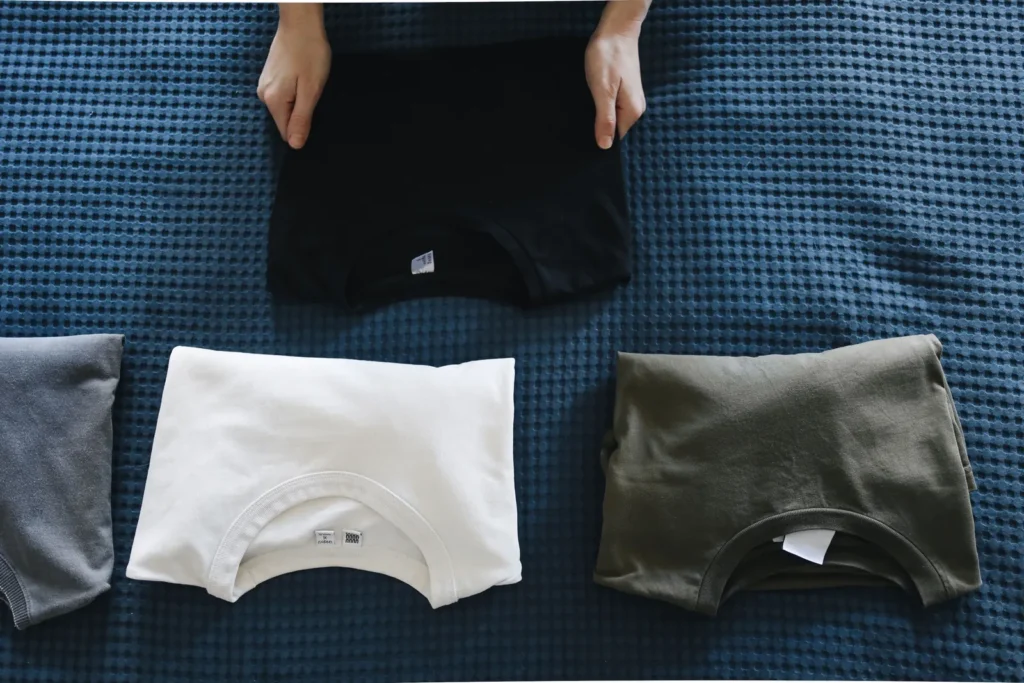
Photo credit: Polina Tankilevitch / Pexels 4440566. Generic clothing-organisation photograph, not a Makkah laundry, hotel, staff member or proof of a cleaning process. Pexels licence.